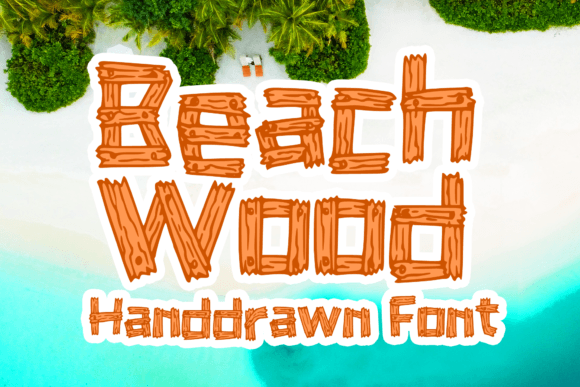
Beach Wood: A Handdrawn Display Font for Brand Stories
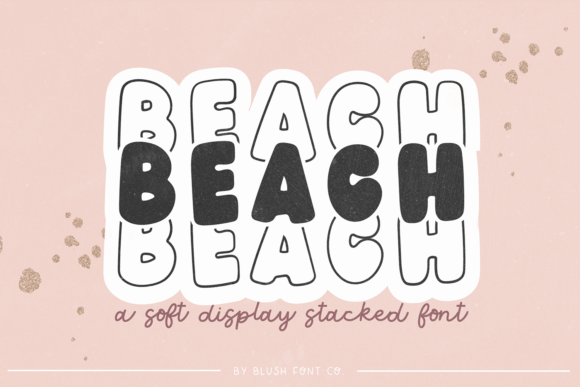
Beach Wood is a fun handdrawn display font with wooden look that brings natural texture and casual charm to marketing visuals. As a Display Font, Beach Wood delivers organic strokes and a relaxed personality that help content creators and social media designers build authentic brand connections. The handcrafted quality of this Font makes campaigns feel approachable and warm, whether you are designing for social feeds, product mockups, or print collateral.
Beach Wood for T-Shirt Graphics and Casual Apparel Campaigns
When you design merchandise or apparel graphics, Beach Wood as a Display Font delivers the casual, hand-lettered aesthetic that drives engagement. The wooden texture embedded in the letterforms gives t-shirt designs a tactile quality that feels both rustic and modern. For marketing specialists planning limited-edition drops or seasonal apparel collections, Beach Wood works well as a headline font on mockups, social media teasers, and product launch graphics. The font reads clearly on fabric previews and digital banners, helping your audience imagine the finished product. Pair Beach Wood with a clean sans serif font for sizing and care information, and you maintain visual hierarchy without losing the handmade charm. For brand recognition, use Beach Wood consistently across all apparel campaign assets to build a cohesive identity.
Using Beach Wood in Kids' Book Designs and Storybook Content
Beach Wood functions as a Display Font for children's book designs, bringing handdrawn warmth to storybook layouts and educational content. The playful letterforms mirror the illustrations in picture books, creating a cohesive visual experience for young readers. For content creators producing read-along videos or animated story reels, Beach Wood works well in title cards and lower-thirds. The font's organic shapes hold up well on tablets and mobile screens, which is critical for today's young audiences who consume stories on devices. When combined with a rounded sans serif font for body text, Beach Wood adds personality without sacrificing legibility. This font pairing helps maintain readability while keeping the design engaging for kids.
Beach Wood for Greeting Cards and Seasonal Brand Campaigns
Beach Wood as a Display Font brings the warmth of handwritten notes to greeting cards and seasonal campaigns, making it a versatile choice for marketing typography. Birthday cards, holiday greetings, and thank-you messages benefit from the font's organic texture and friendly mood. For social media managers planning Valentine's Day, Mother's Day, or Christmas promotions, Beach Wood works beautifully on quote cards, email headers, and Instagram Stories. The wood-like texture adds a tactile element that feels personal, especially when paired with soft pastel backgrounds or natural color palettes. Use Beach Wood for the main greeting and a simple serif font for the inside message or call-to-action to maintain balance across your campaign assets.
Beach Wood in Sticker Design and Packaging Accents
Beach Wood works as a Display Font for sticker designs and packaging accents, adding handcrafted personality to brand merchandise and product labels. Whether you are designing for a small business launch or a product line extension, Beach Wood adds a casual, artisanal feel that appeals to modern consumers. The font's bold strokes and open counters ensure readability even at small sizes, which is essential for sticker sheets, jar labels, and bag toppers. For brand consistency, use Beach Wood as the headline on packaging mockups and carry the same treatment into your social media graphics. This creates a seamless brand experience from shelf to screen. Sticker designs featuring Beach Wood also work well as digital assets for influencer collaborations and unboxing content.
Beach Wood for Poster Layouts and Event Promotions
Posters and promotional banners need typography that stops the scroll, and Beach Wood as a Display Font delivers with its distinctive wooden texture and handdrawn character. For event marketers promoting workshops, markets, or pop-ups, Beach Wood works well as the main headline on posters, flyers, and digital banners. The font's casual mood suits outdoor markets, craft fairs, and community events where authenticity matters. On social media, Beach Wood pairs well with lifestyle photography and flat-lay compositions. When designing a sale announcement or product teaser, use Beach Wood for the callout text—like "Fresh Arrivals" or "Summer Sale"—and let a clean sans serif handle the details. This approach creates clear visual hierarchy and drives audience engagement.
Beach Wood in Social Media Graphics and Thumbnail Design
Social media graphics and YouTube thumbnails rely on fast readability and personality, and Beach Wood as a Display Font helps your content stand out in crowded feeds. For reels covers, Instagram carousels, Pinterest pins, and video thumbnails, Beach Wood adds a warm, approachable feel that invites clicks. The font works especially well for inspirational quote graphics, behind-the-scenes content, and personal branding. On mobile screens, Beach Wood holds its shape thanks to generous letter spacing and clear stroke contrast. Keep the font size large and limit text to a few words for maximum impact in fast-scrolling environments. For campaign series, use Beach Wood consistently across all assets to build visual recognition and audience recall.
Pairing Beach Wood with Sans Serif Fonts for Digital Campaigns
Font pairing extends the usability of Beach Wood across marketing assets, and this Display Font pairs naturally with a clean sans serif font for captions and body text. Montserrat, Lato, and Open Sans work well as companion fonts, providing structure and readability for secondary information. This combination works effectively in email headers, landing page titles, and digital ads where clear messaging is critical. For a more editorial look, pair Beach Wood with a serif font like Playfair Display or Georgia for blog headers and long-form content. The contrast between the handdrawn texture and the structured body type creates visual interest without confusion. When building a brand kit, assign Beach Wood to headlines and calls-to-action, and reserve the paired font for supporting copy.
When to Use Beach Wood for Short Text and Headlines
Beach Wood performs best as a Display Font in short text applications where its handdrawn character can shine across headlines and callouts. Use it for titles, logo marks, decorative accents, and key message points. Avoid using it for long paragraphs or dense body copy, as the display nature of the font may reduce readability at small sizes. For webinar banners, product teasers, branded templates, and content series titles, Beach Wood adds a memorable touch that strengthens brand identity. The font's casual personality fits personal brands, lifestyle influencers, and small businesses that want to convey authenticity. Always preview the font at the intended size and on the target screen before finalizing your design to ensure optimal impact.
Licensing Considerations for Commercial Font Use
Before using Beach Wood as a Display Font in client campaigns, review the commercial licensing terms to ensure your use aligns with the font's license. Many display fonts require extended licenses for logo use, template resale, print-on-demand products, or merchandise. Confirm that your intended application—whether for t-shirts, posters, social media graphics, or digital products—is covered under the license you purchase. This step protects your brand and ensures you can use Beach Wood across all your marketing channels without legal issues. For agencies and content creators, investing in the correct license upfront saves time and secures your creative assets for the long term.
Beach Wood brings a fun handdrawn display font with wooden look to every project, from kids' book designs and greeting cards to stickers and poster layouts. Its casual, approachable personality makes it a valuable addition to any marketing toolkit focused on audience engagement and brand recognition across digital platforms.